


 SkilzHub Certification
 Adobe Certification
 Google Certification
 Meta Certification
 Semrush Certification
 Hubspot Academy Certification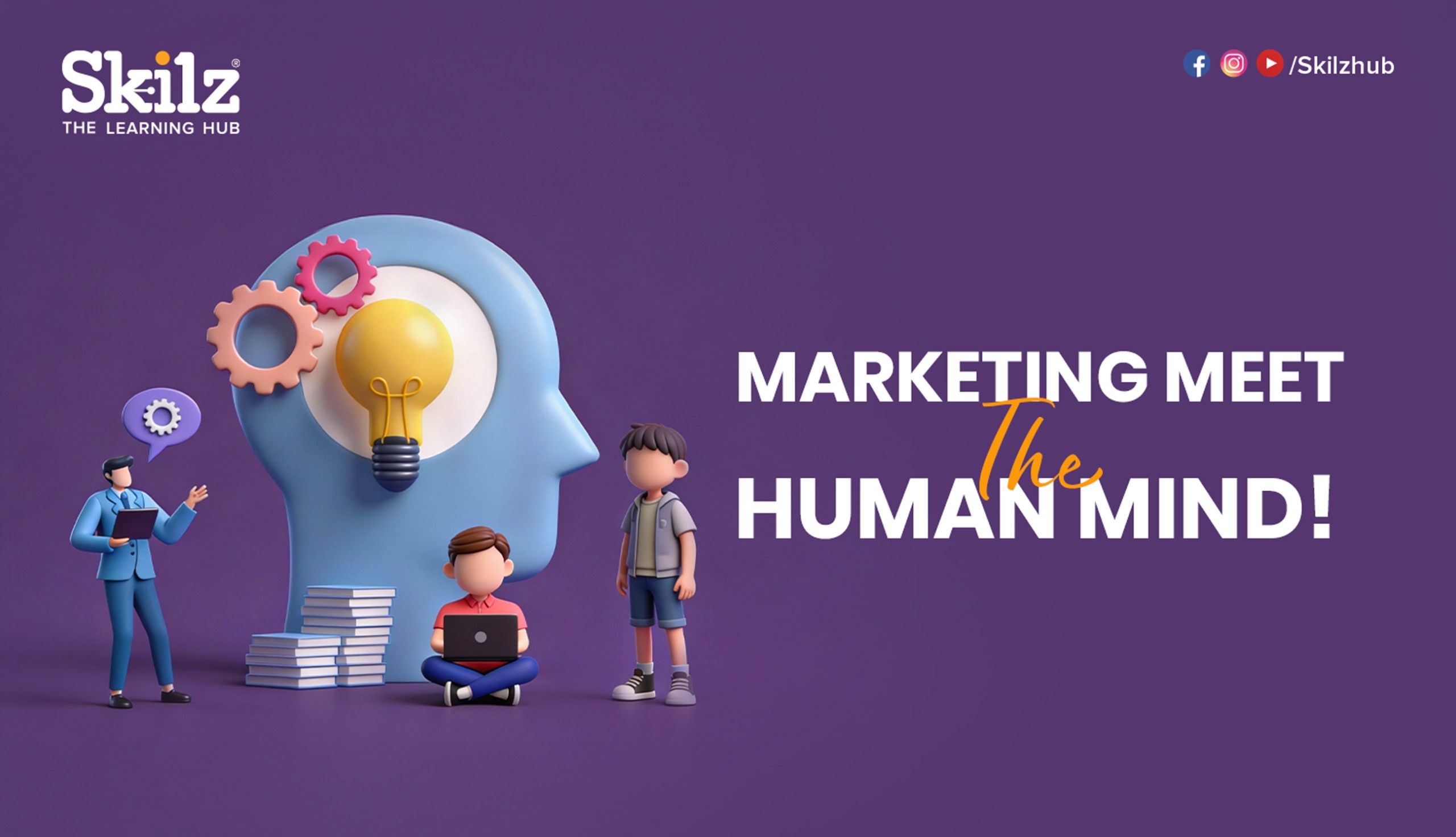
The Human Mind in Marketing: Psychology’s Role in Conversions
Every day, thousands of choices are made online, clicking an ad, signing up for a course or making a purchase. But do you ever think about why some marketing campaigns succeed while others fail? Or what makes someone stop acting? The answer lies in the human mind. Marketing is not just about what you sell, but how people feel and think when they see it. Understanding human psychology helps marketers craft content that connects and converts.
In this blog, you’ll learn how psychological principles shape customer decisions and how you can apply them to increase your conversions. If you want to learn these strategies practically, Skilz Hub, the leading digital marketing institute in Malappuram, can help you develop the skills and apply psychology effectively in your marketing.
Why Psychology Matters in Marketing?
Marketing is more than just promoting the product or offering new discounts. It’s about connecting with the human brain, how people think, decide and act. Every visitor who lands on your website passes through from curiosity to action. This journey is what we call conversion, when a visitor becomes a customer. When marketers understand how people think and what drives them to act, they can create messages that truly convert. Studies show that using psychological triggers like trust, urgency and authority can increase conversion rates. Simply, knowing human behavior helps turn clicks into customers.
Key Psychological Principles That Drive Conversions
1. Social proof
People look to reviews, ratings and testimonials when they’re unsure or want to know the safety. If others trust a product or service, it reduces doubts and builds trust.
2. Urgency
Using countdown timers or mentioning limited seats in your course encourages visitors to make decisions quickly. When something is limited in time or quantity, it becomes more helpful for conversions.
3. Discounts
Display both the original and current offer prices to build honesty. So people see the offer as genuine and this creates a sense of savings in their mind.
4. Credibility
People always trust experts. When they see authority, they feel more confident in their choice. So, highlight your experience, any partnerships or certifications.
5. Commitment & consistency
Offer free resources that connect with your product or service. This is more likely to continue or take the next step.
Applying Psychology to Digital Marketing Strategies
Let’s see how psychology fits into different digital channels:
● Websites: Place testimonials and trust badges above the fold area. Don’t place too many options; it will create confusion.
● E-mail campaigns: Use urgency and social proof within your message.
● Social media ads: Combine emotions with clarity. Use visuals that grab attention and CTA that guide users to act.
● Copy: Keep your message simple, beneficial and emotionally connected.
Practical checklist:
● Show real testimonials from your students or customers.
● Offer a few options to keep things simple.
● Use consistent fonts and a clean design for easy reading.
● Add countdown timers for limited-time offers.
● Test different versions to see what works best.
Avoid the common mistakes
Ignoring mobile experience can drive visitors away if your site loads slowly. Similarly, too much information can create confusion in users, so keeping your content short and clear is always better than having too much content. Having too many CTAs also confuses visitors. One clear call to action is the best way to work. Without testing or tracking, you won’t know what’s effective, so regularly test different versions and analyze results.
Conclusion
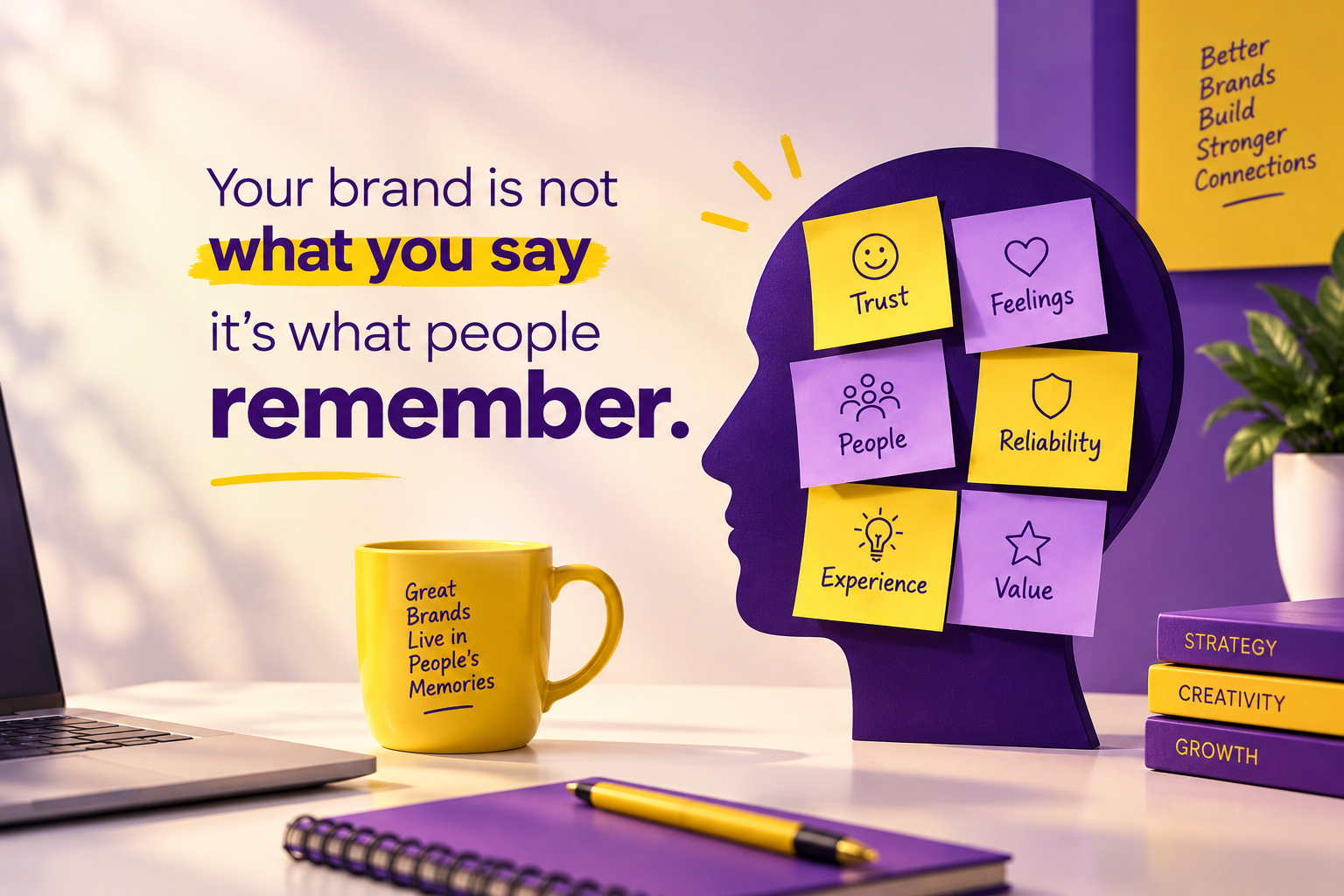
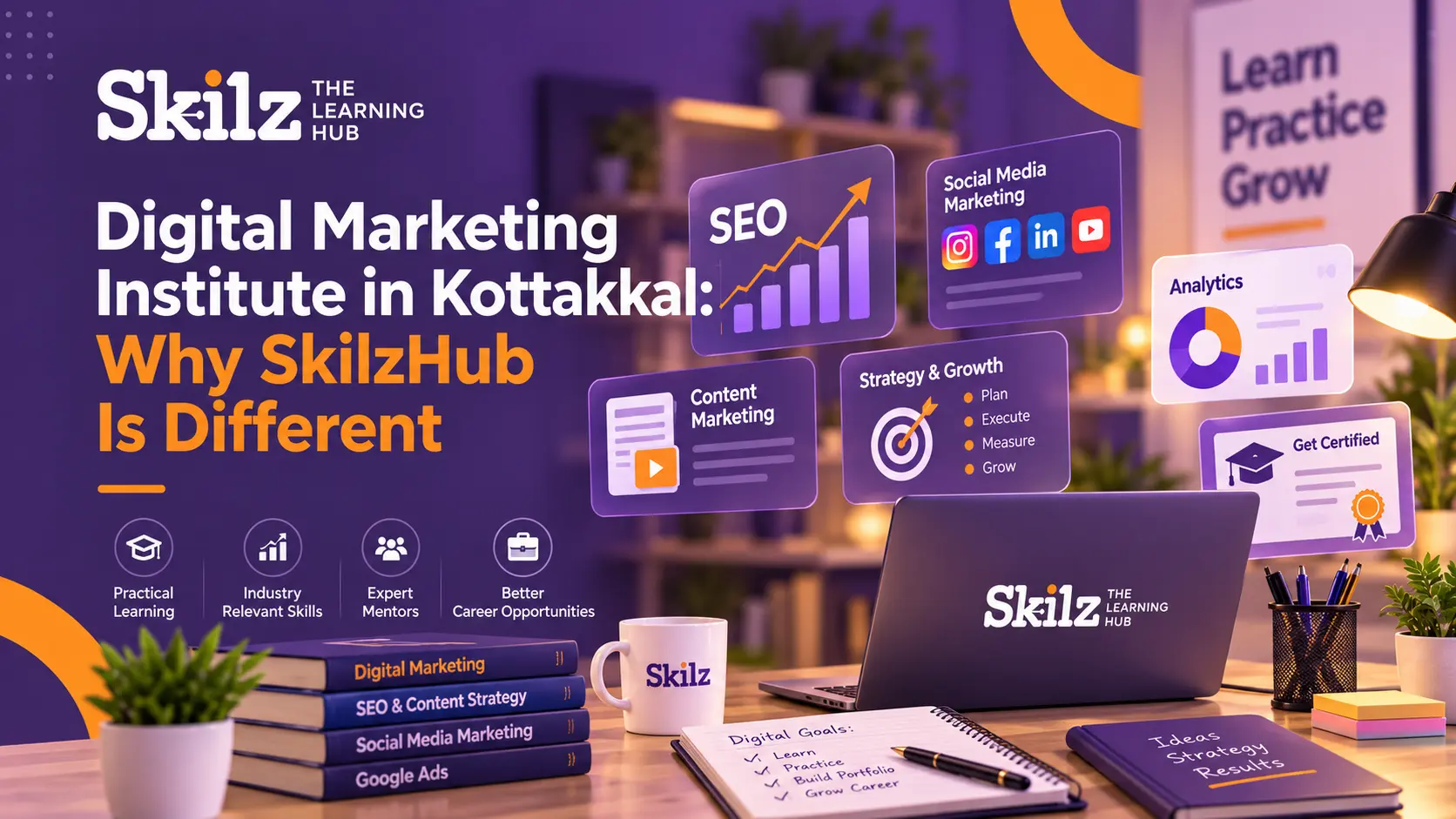
When you understand why people act the way they do, you can create campaigns that don’t just attract attention but inspire action. From social proof to consistency, these principles can turn interest into trust and trust into conversions. If you want to learn how to apply these strategies in real-world marketing, Skilz Hub offers practical courses in Digital Marketing, UI-UX and Design. Our programs are designed to help you think like a marketer and act like a strategist.
Explore our course!


Comments (0)
Please login to leave a comment.
No comments yet. Be the first to comment!